Rwanda vs Uganda gorilla trekking is the first big decision most people face when they start planning to see mountain gorillas. Both countries offer a life-changing hour with a habituated gorilla family, and both protect their gorillas well. The right choice depends on your time, your budget and how you like to travel.
We're based in Rwanda, so we'll be upfront about that. We'll also tell you when Uganda is the better choice.
The short answer
- Choose Rwanda if your time is limited, you want the easiest logistics, or you want to combine gorillas with other parks in a short trip.
- Choose Uganda if your budget is the main concern and you have extra days for longer drives, or if you want the gorilla habituation experience.
Where the gorillas live
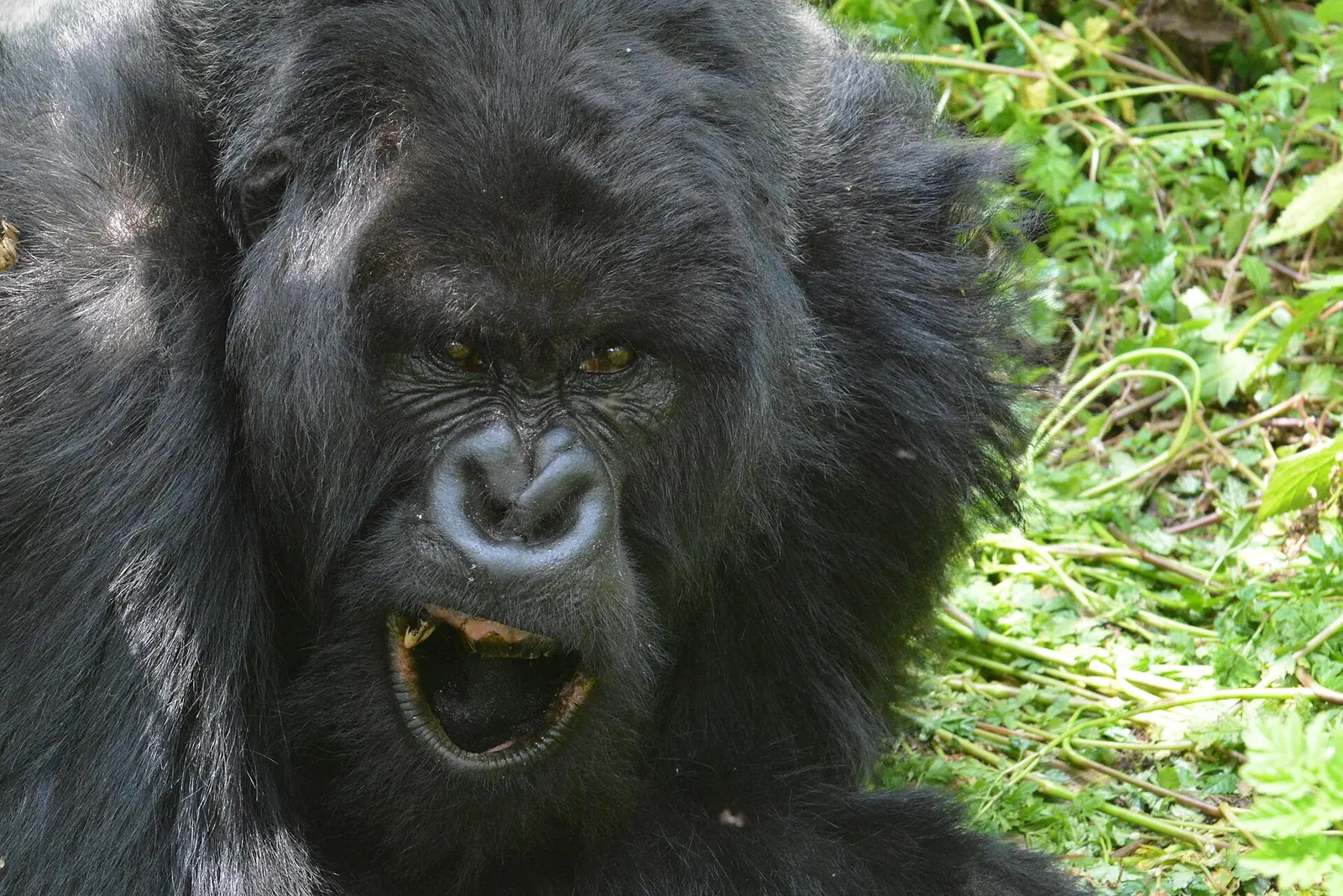
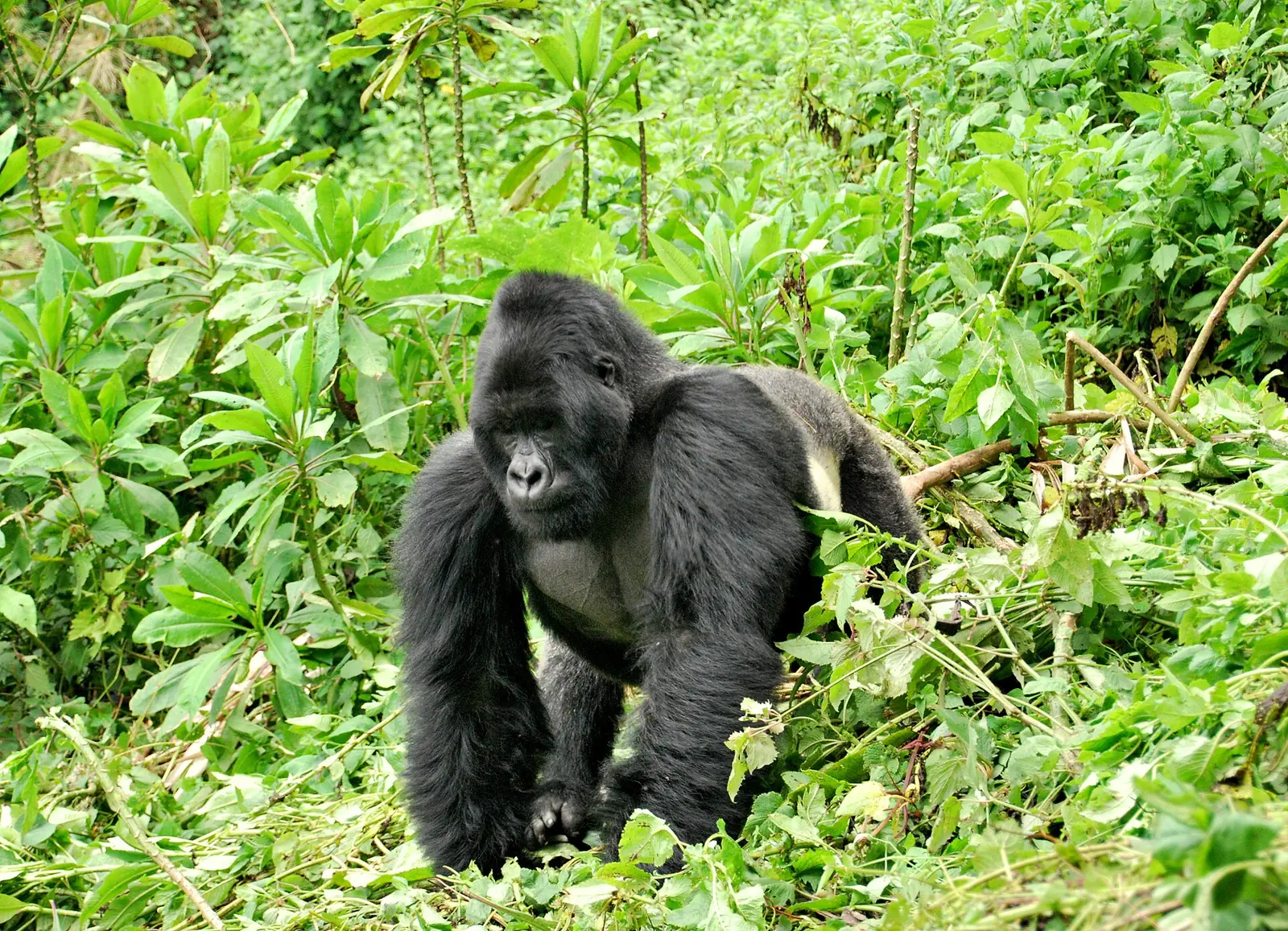
Mountain gorillas live in only two places. One is the Virunga Massif, the chain of volcanoes shared by Rwanda, Uganda and the DR Congo. The other is Bwindi Impenetrable Forest in south-west Uganda. In Rwanda you trek in Volcanoes National Park, on the bamboo and forest slopes of the volcanoes. In Uganda most trekking happens in Bwindi, with a smaller number of permits in Mgahinga, Uganda's part of the Virungas.
Gorilla permit cost: Rwanda vs Uganda
| Rwanda | Uganda | |
|---|---|---|
| Permit for foreign visitors | US$1,500 (set by RDB) | Lower, check UWA's current rate |
| Time with gorillas | 1 hour | 1 hour (4 hours on a habituation experience) |
| Max group size | 8 visitors per family | 8 visitors per family |
| Minimum age | 15 | 15 |
The permit is the biggest single difference. Rwanda's gorilla permit costs more on purpose. Its low-volume, high-value model keeps groups small and channels revenue into conservation and nearby communities. Uganda's permits are cheaper, and that saving can matter a lot for a family or a group.
Getting there: time is the real currency
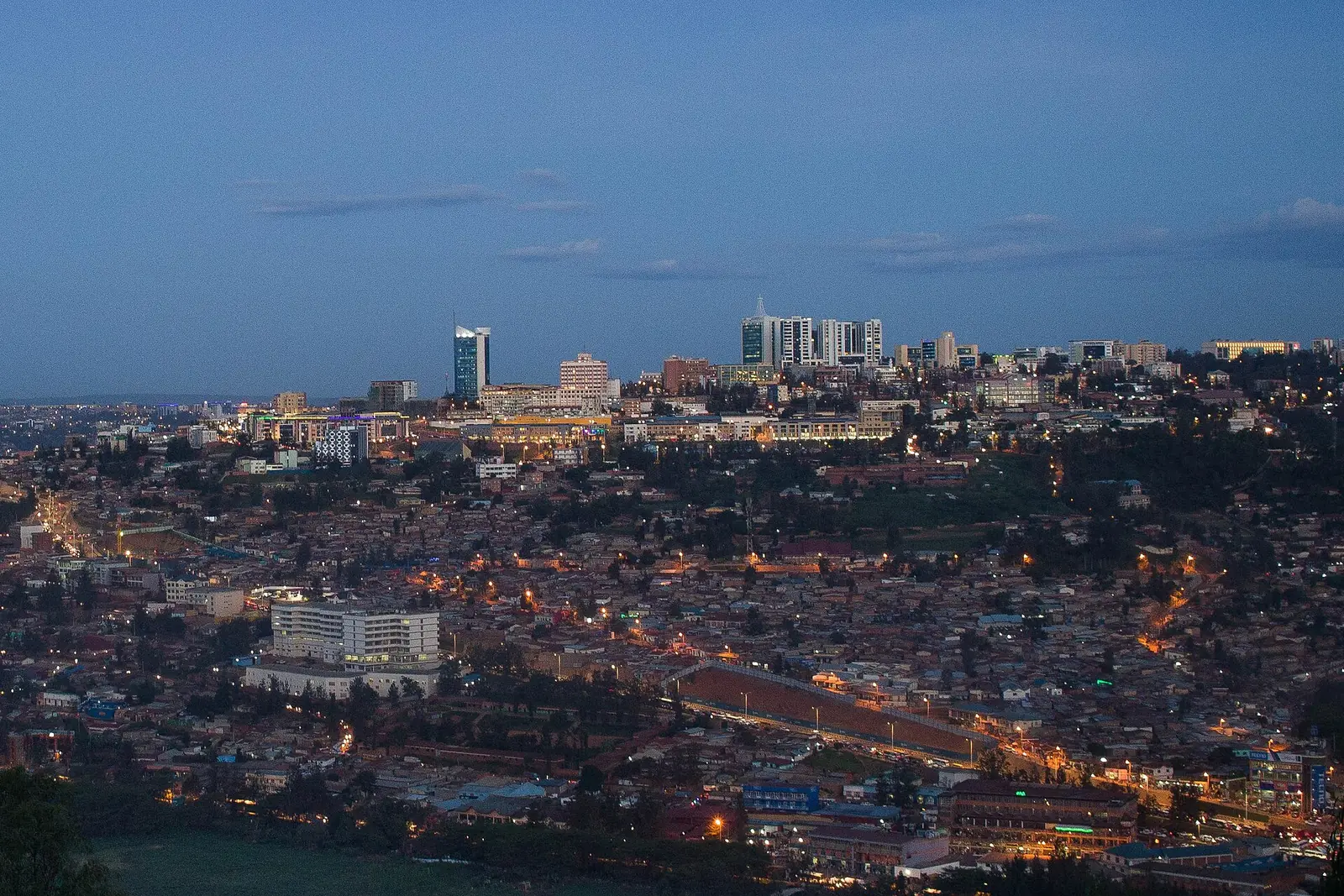
This is where Rwanda wins clearly. From Kigali International Airport, Volcanoes National Park is about two and a half hours away on a good paved road. That makes a one-day gorilla trek from Kigali possible, although we usually recommend two days.
Bwindi is much further from Entebbe, Uganda's main airport. It means a long drive of most of a day, or a domestic flight to an airstrip near the park. Some travellers fly into Kigali and cross the border to southern Bwindi, which is a practical hybrid.
How hard is the trek?
Both are real hikes. In Rwanda you trek at altitude, starting above 2,400m, on volcanic slopes through bamboo and nettles. In Bwindi you trek through steep, dense rainforest. The difficulty depends mostly on where your gorilla family happens to be that day. In both countries, porters are available to carry your bag and help on steep ground.
Combining gorillas with a safari
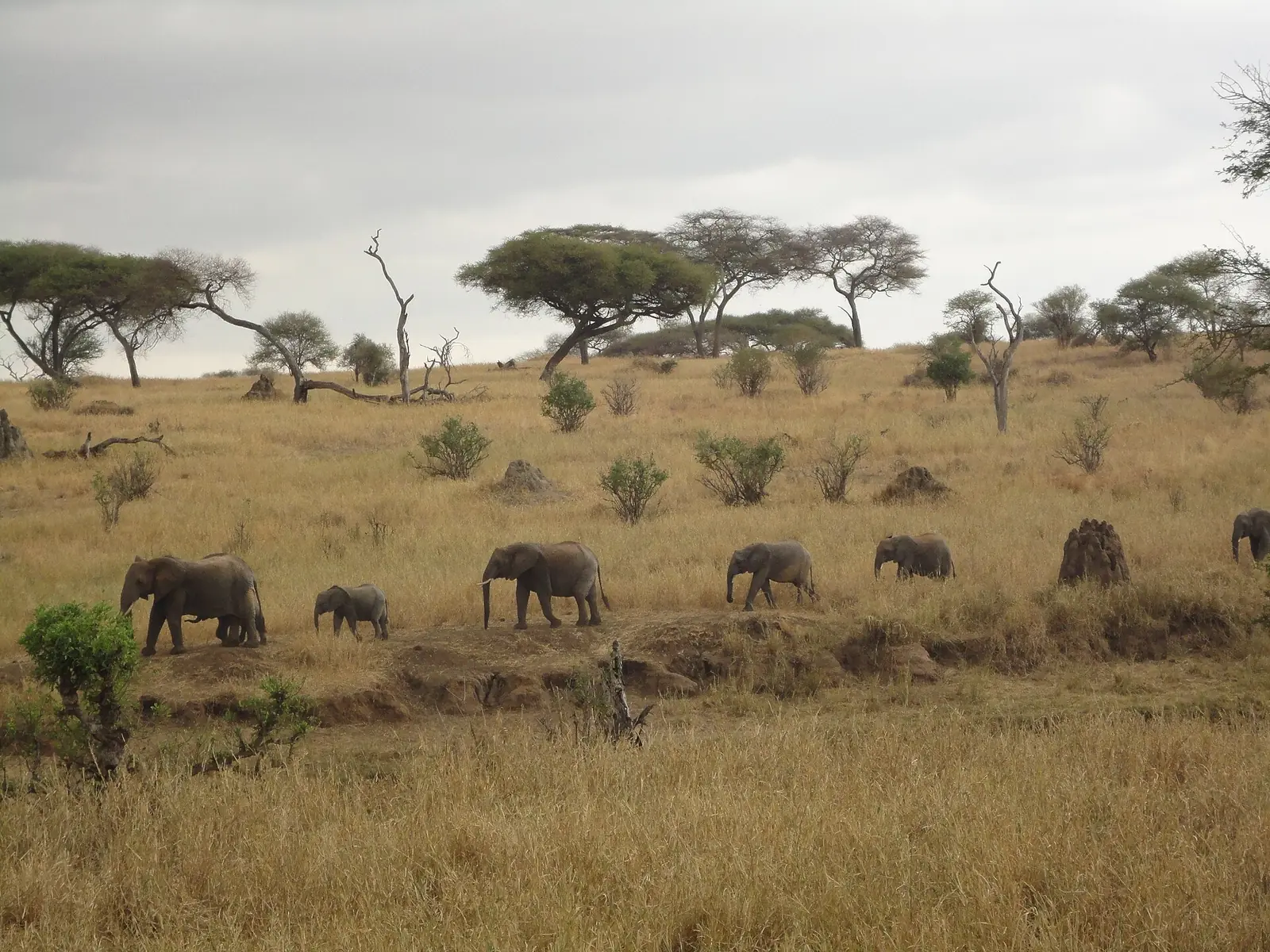
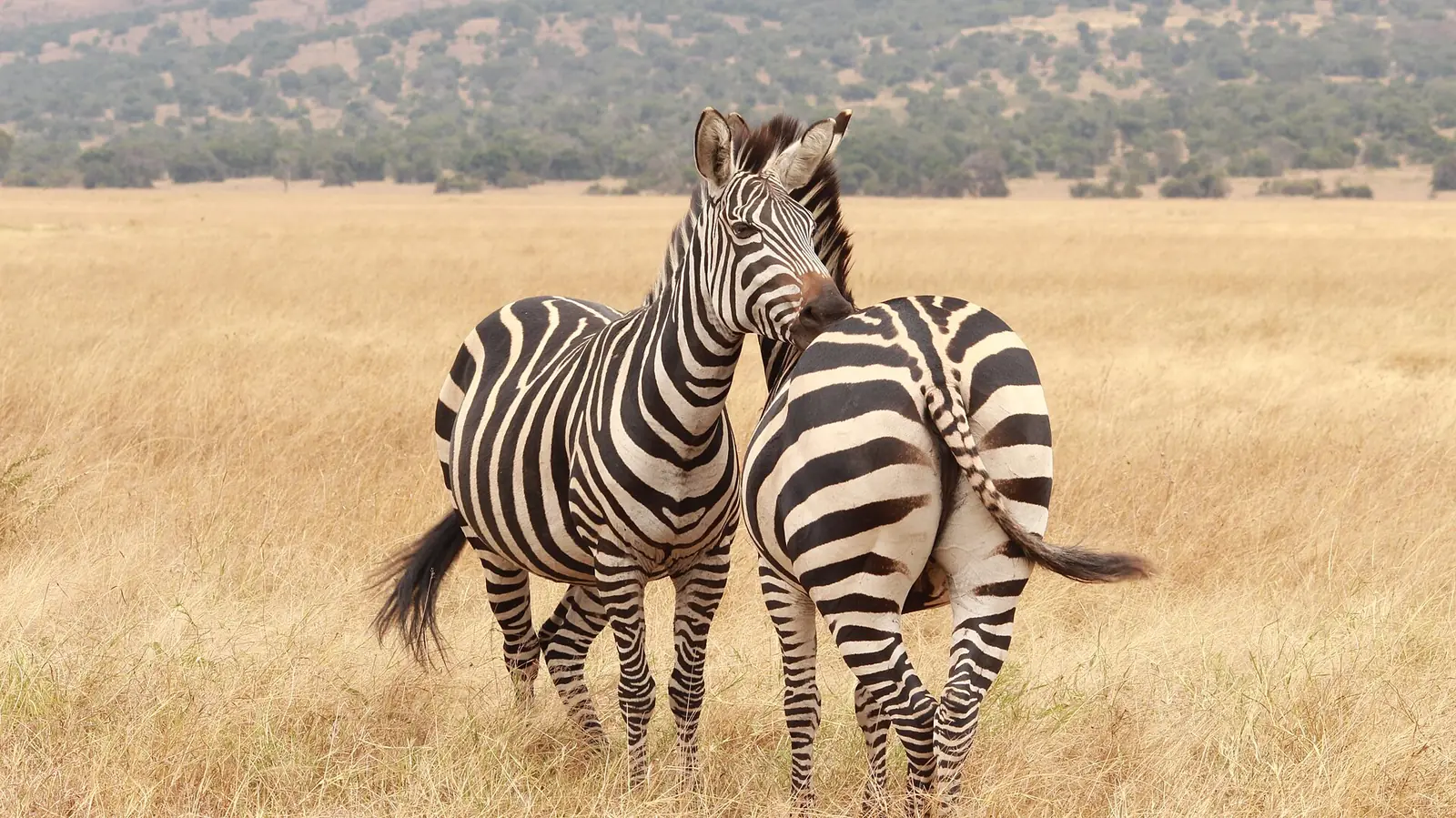
In Rwanda, Akagera National Park (lions, rhinos, elephants) is about two and a half hours east of Kigali. A 4-day gorillas and Big Five safari covers both easily. Uganda's savanna parks, such as Queen Elizabeth, are larger, but the distances between parks are greater.
Our honest recommendation
If you have a week or less and want the smoothest trip, Rwanda is hard to beat. You land, trek and can be on a safari or at Lake Kivu within days, with little time lost on the road. If you have more time than budget, Uganda is excellent value. If you want both countries, start in Kigali and cross over. We're happy to help plan the Rwanda part.
Frequently asked questions
Is gorilla trekking better in Rwanda or Uganda?
Neither is better for the gorillas themselves. Rwanda is better for access and short trips. Uganda is better for a lower permit price.
How much is a gorilla permit in Rwanda?
US$1,500 per person for foreign visitors at the time of writing, set by the Rwanda Development Board.
Can I do gorilla trekking in Rwanda in one day?
Yes. Volcanoes National Park is about 2.5 hours from Kigali, so a same-day trek is possible with a very early start.